
Best Internet for Rural Areas? Our 4+ Year Starlink Experience
Living in the country has plenty of perks. Reliable high-speed internet hasn’t traditionally been one of them.
When we started looking for better internet for our rural home, I researched what felt like every option available. I priced other satellite internet providers. I checked T-Mobile and Verizon home internet. We had access to local DSL. Every option seemed to come with a catch.
Cell service isn’t reliable everywhere around us, and some cellular home internet services weren’t even available at our address. Other satellite providers had data limits that didn’t make sense for the amount of internet our family uses. Our experience with local DSL was painfully slow and unreliable.
I also work from home, which makes internet more than a convenience around here. I need it to actually work.
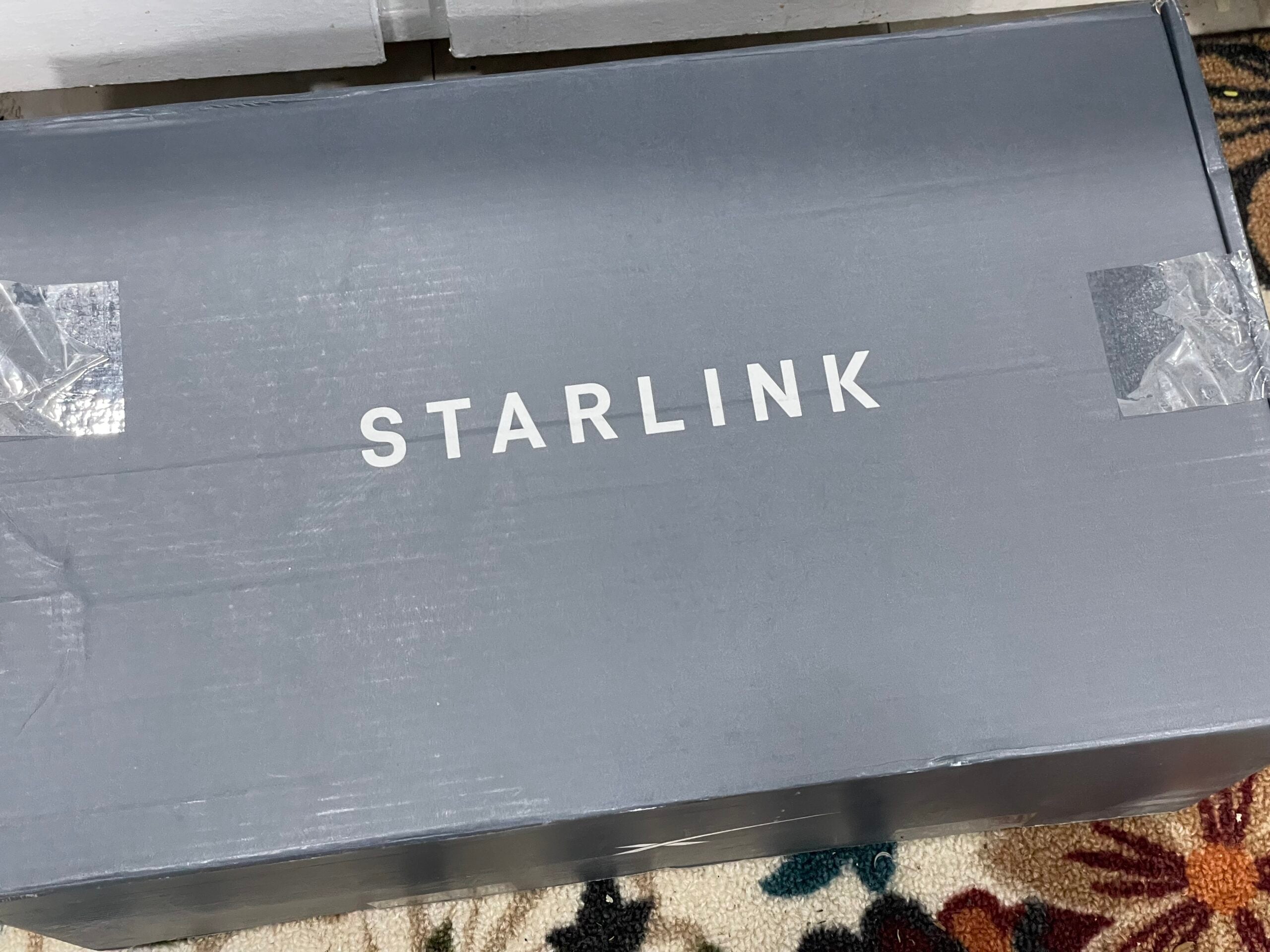
We decided to try Starlink.
That was more than four years ago.
Since then, we’ve used it to work from home, stream our TV and music, play video games, run Wi-Fi cameras around our farm and connect all of the phones, computers and other devices that have become a normal part of everyday life.
Fiber internet has even made its way down our road since we originally signed up for Starlink.
We’re still using Starlink.
Here’s why we’ve stuck with it, what we like about it, what we don’t, and whether I think Starlink is worth considering if you’re looking for reliable internet in a rural area.
Referral Disclosure: We pay for and use our own Starlink service, and everything in this post is based on our personal experience after more than four years as customers. This post contains our Starlink referral link. We may receive a referral reward if an eligible new customer signs up through our link. Starlink’s referral offers and eligibility can change.
Why Is Finding Good Rural Internet So Difficult?
If you live in or near a city, choosing an internet provider can be a matter of comparing speeds and prices.
Out here, sometimes the first question is simply:
Who will actually provide service to my address?
Then you have to figure out whether that service is fast enough and reliable enough to be useful.
Depending on where you live, rural internet options may include:
- DSL
- Fixed wireless
- Cellular or 5G home internet
- Traditional satellite internet
- Starlink
- Cable or fiber, if you’re lucky enough to have it
Availability can vary tremendously from one property to the next. Cellular home internet has expanded and can be an excellent option where the signal and capacity are good, but rural coverage remains inconsistent. Current comparisons of rural internet providers still point to satellite as an important option for households outside reliable wired and cellular coverage.
That’s why I don’t think there is one universally “best” rural internet provider.
There is, however, the one that actually works where you live.
For us, that has been Starlink.
Why We Chose Starlink
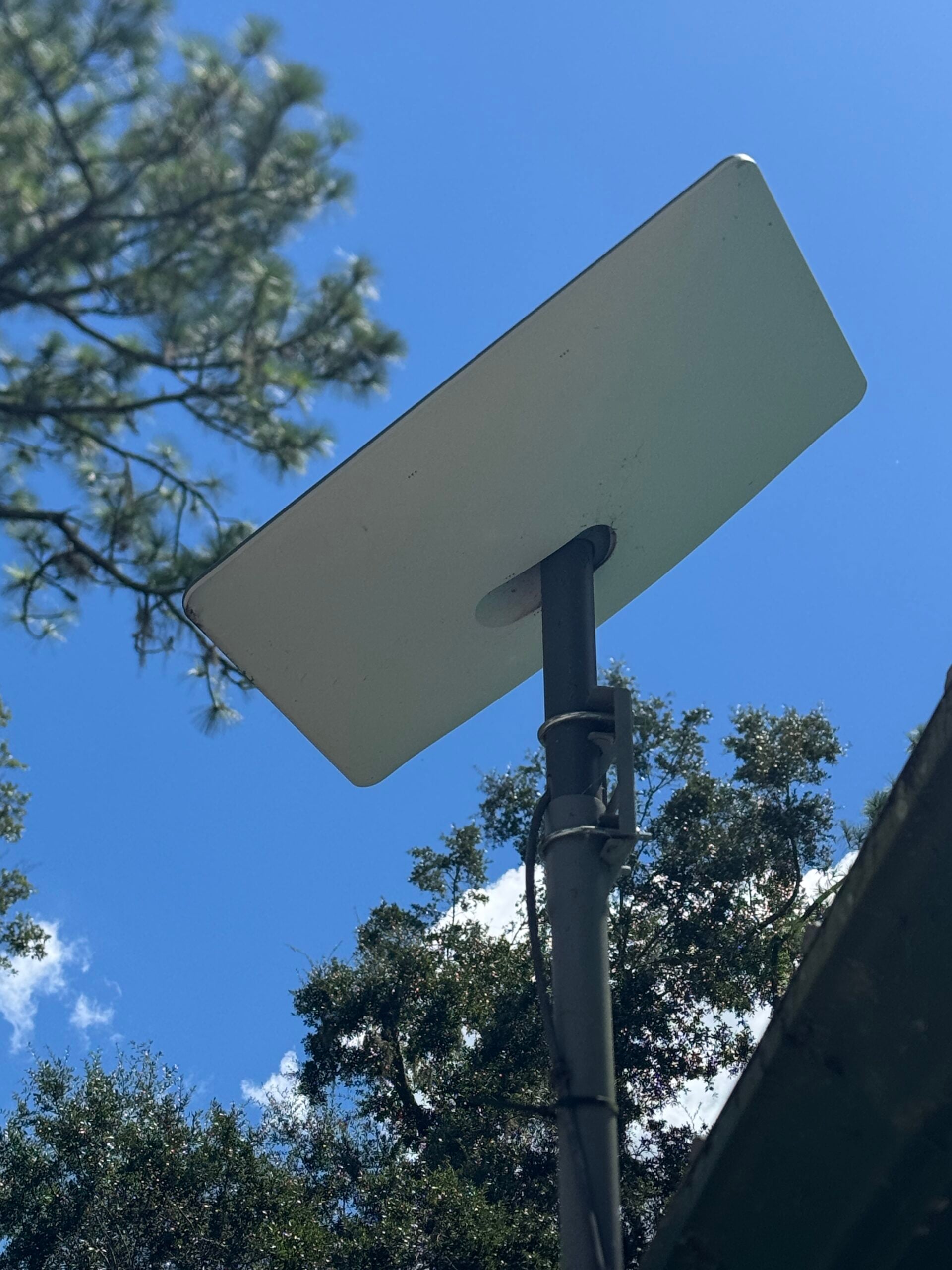
I didn’t choose Starlink because it was the first rural internet option I found.
I compared our choices first.
Cellular home internet from companies like T-Mobile and Verizon sounded appealing, but availability and reliable cell coverage were problems in our area.
Our local DSL was another option, but it was expensive, painfully slow and unreliable for what we needed.
I also looked into other satellite internet providers. At the time, their data limits were a major drawback for our household.
We aren’t light internet users.
Between running a business from home and having a family full of connected devices, we needed internet we could actually use without constantly worrying about how much data we were consuming.
Starlink filled that need.
Is Starlink Fast Enough for Everyday Internet?
This was one of my biggest questions before signing up.
I’m also not going to give you a single speed-test screenshot and pretend that represents what everyone with Starlink will experience. Speeds can vary by location, network demand, equipment and other factors.
Here’s a much more useful measurement:
Can we do the things we want to do?
Yes.
In our household, we regularly use our Starlink internet for:
- Streaming TV and movies
- Streaming music
- Working from home
- Running my websites and online businesses
- Video games
- Phones, tablets and computers
- Wi-Fi security cameras
- Cameras around our farm and barn
It has given us enough internet to live and work the way we’ve become accustomed to without feeling like we’re sacrificing modern conveniences just because we live in the country.
Starlink currently markets its residential service for the same kinds of everyday uses, including streaming, video calls and online gaming.
For me, four years of actually using the service tells me much more than any individual speed test could.
Can You Work From Home With Starlink?

I do.
This was non-negotiable for me.
My work is online. I run websites and other parts of our businesses from home, so unreliable internet can quite literally interfere with my ability to make money.
We’ve been able to use Starlink as our regular home internet while I work, other people stream, play games and use their devices, and the rest of our connected household keeps doing its thing.
Your experience will obviously depend on your location and what kind of work you’re doing, but Starlink has been completely usable for my work-from-home needs.
Can You Stream TV With Starlink?
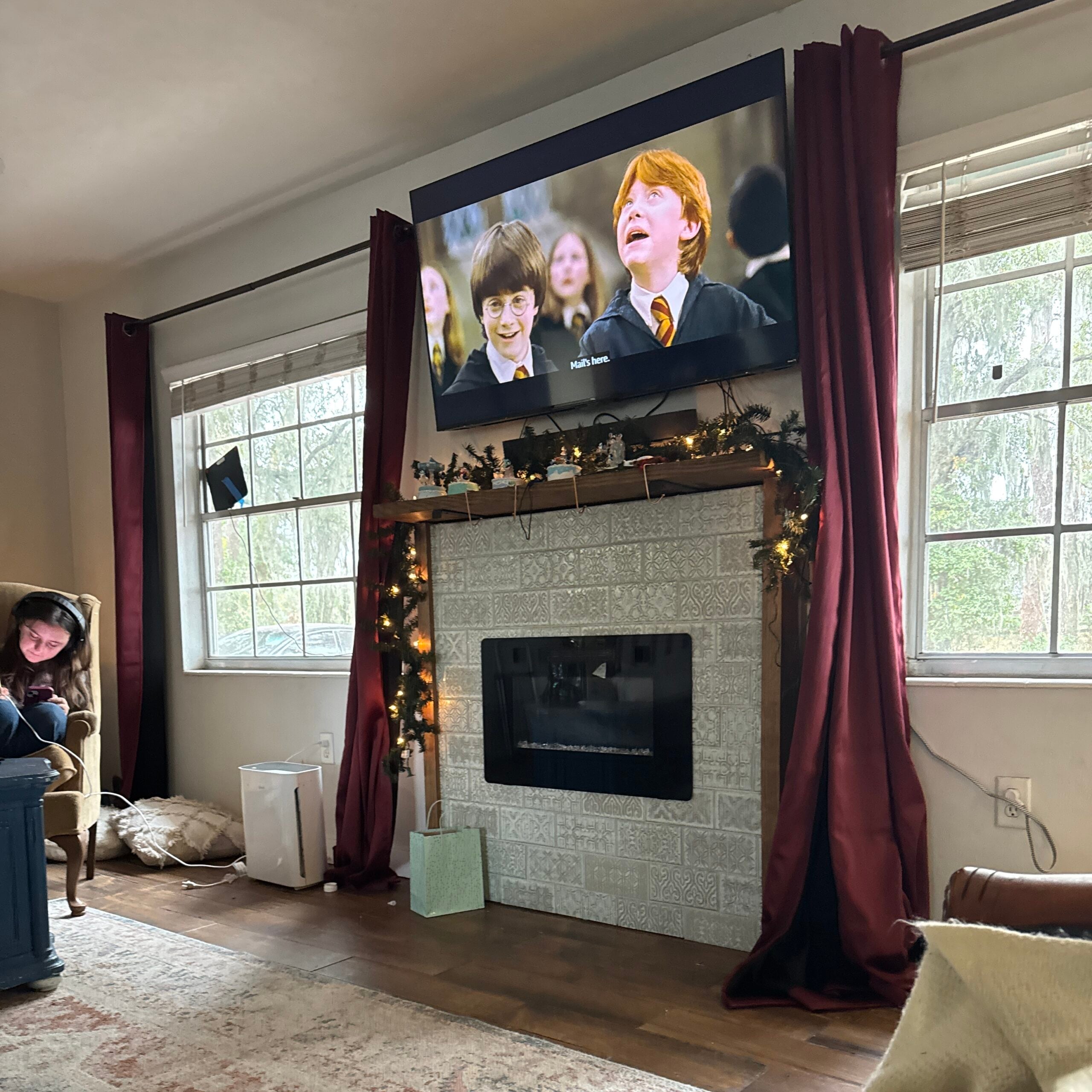
Absolutely, at least in our experience.
In fact, this is one of the ways Starlink has helped us save money.
We don’t pay for traditional cable television. Instead, we use our internet connection and subscribe to the streaming services we actually want.
That means the cost of our Starlink service isn’t just giving us internet for computers and phones. It also supports much of our household entertainment.
If you’re comparing the price of rural internet providers, I’d consider your whole household budget, not simply the monthly internet bill.
If a better internet connection allows you to eliminate another service you’re paying for, that matters too.
Of course, whether streaming saves you money depends on how many streaming subscriptions you collect. Those little $10 and $15 charges have a sneaky way of multiplying. Ask me how I know. 😂
What About Gaming on Starlink?
We have gamers in our house, and gaming has worked well enough for us to use Starlink as our regular internet connection.
I’m not going to promise a professional competitive gamer that satellite internet will perform exactly like a dedicated fiber connection. That’s not a fair comparison.
But if you’re a rural family wondering whether the kids can play video games while you stream TV and use the internet normally, that has been our experience.
Independent long-term Starlink testing from other rural users has similarly found it usable for remote work, streaming and gaming, although performance can fluctuate.
Using Starlink for Wi-Fi Cameras Around Our Farm

This is one of our less conventional uses, but it may be especially helpful if you live on acreage, have a farm or need Wi-Fi in an outbuilding.
We have Wi-Fi cameras around our property, including cameras at the barn.
Our Starlink router alone wasn’t intended to magically cover our entire farm, so we use a separate router and outdoor Wi-Fi extensions to get our network where we need it.
Once we extended the network, it has worked perfectly for what we need.
This is worth remembering when you’re evaluating any rural internet service:
Getting internet to your house and getting Wi-Fi everywhere on your property are two different problems.
If your internet connection is good but your signal doesn’t reach the back bedroom, garage, barn or workshop, you may need to improve your home network rather than change internet providers.
I personally use a TP Link Deco Router System and have one of their outdoor units as well. I have also tested many wifi cameras and Netgear Arlo Cameras are my absolute favorite.
Does Starlink Work in Bad Weather?
Here’s one place where I won’t tell you Starlink has been perfect.
We have lost signal during severe weather.
It doesn’t happen every time it rains, but particularly severe weather can interrupt our connection.
That’s something I think anyone considering satellite internet should know.
However, we’ve also been through hurricanes with Starlink, and that’s where I became particularly appreciative of our setup.
We Ran Our Starlink on Generator Power During Hurricanes
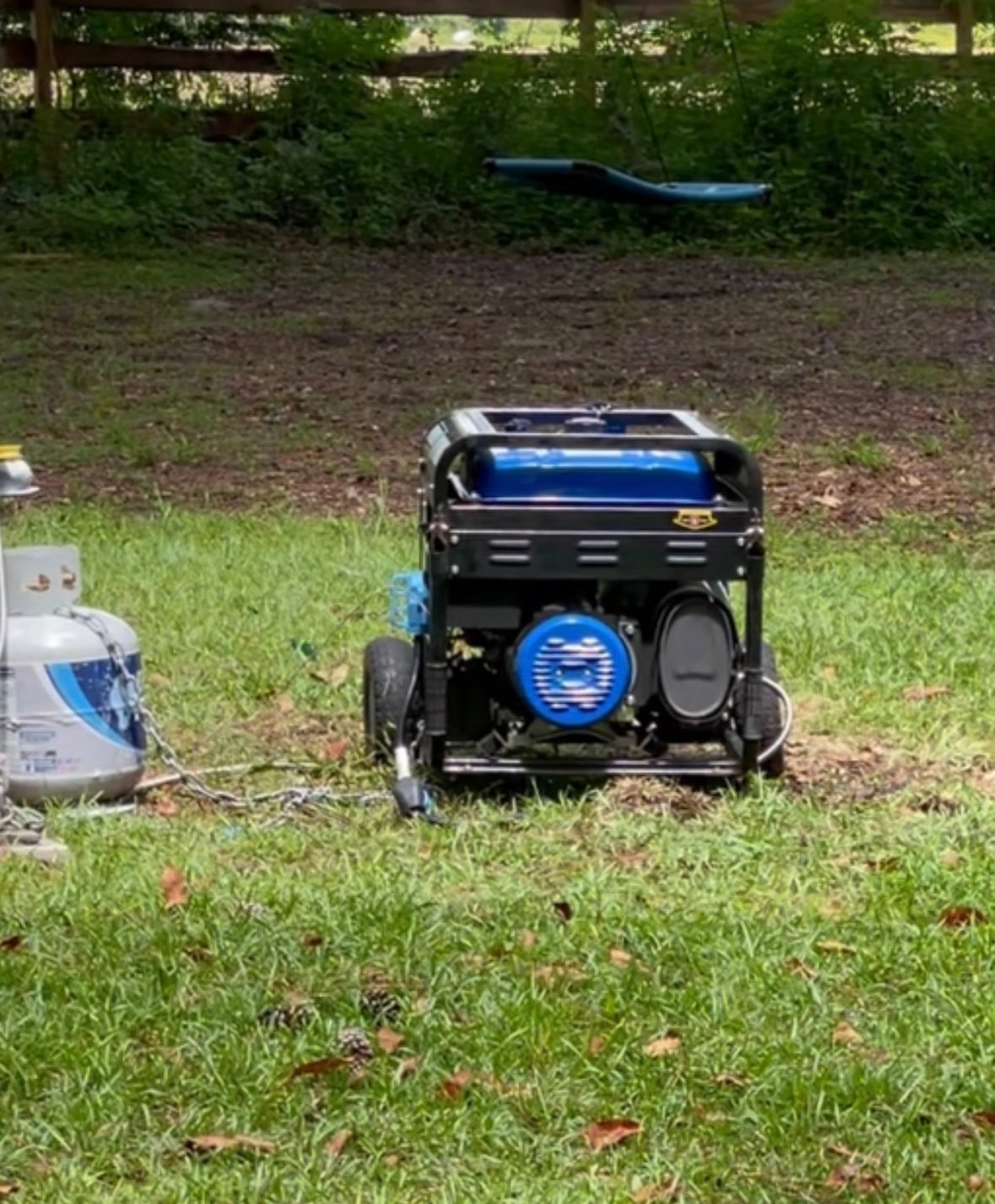
We’re in Florida. Hurricanes aren’t hypothetical.
We’ve had storms that knocked out our regular electricity and left us running the house on generator power.
Our Starlink required little enough power that we were able to keep it running from our generator.
So even though the power grid was down, we could still have internet whenever the Starlink network and weather conditions allowed it.
When you’re dealing with a storm, being able to access information and communicate from a rural property is considerably more important than watching Netflix.
I wouldn’t buy Starlink solely as an emergency communication system, and no internet connection should be your only emergency plan. But after actually experiencing extended power outages, knowing that our internet can run from our generator is something I appreciate.
What I Don’t Love About Starlink
No internet provider is perfect, including this one.
The biggest drawback we’ve personally experienced is the possibility of interruptions during severe weather.
There is also an upfront equipment cost to consider, and Starlink isn’t necessarily going to be the cheapest internet option available to everyone.
That’s why I wouldn’t automatically tell someone with inexpensive, reliable fiber or cable internet to rip it out and order Starlink.
Context matters.
Starlink became valuable to us because the alternatives available at our rural property weren’t meeting our needs.
Fiber Finally Came Down Our Road. Why Haven’t We Switched?
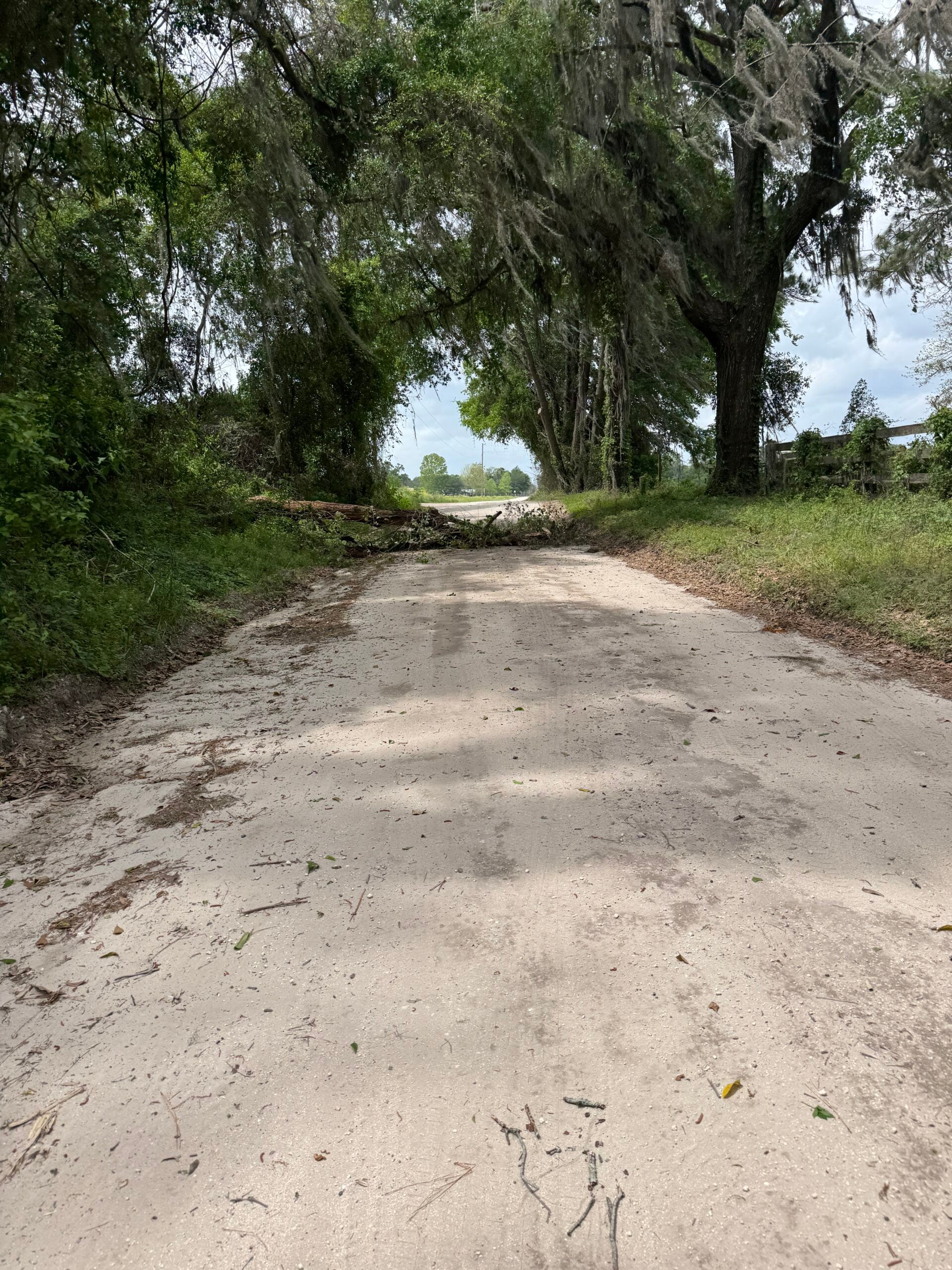
This might actually say more about our Starlink experience than anything else in this review.
For years, fiber wasn’t an option.
Recently, they finally ran fiber-optic internet down our road.
We looked into it.
The reviews from people using the new local service have been so-so, while the Starlink sitting at our house has already proven itself for more than four years.
So we stayed with Starlink.
If reliable, affordable fiber had been sitting in front of our house when we originally went searching for internet, we might have made a different decision.
But today we’re not choosing between a hypothetical fiber connection and a hypothetical Starlink connection.
We’re choosing between a new service with mixed local feedback and an internet connection we’ve already relied on for years.
If it isn’t broken, I don’t see a reason to fix it.
Starlink vs. Other Rural Internet Options
If you’re shopping for rural internet today, I’d still do exactly what I did four years ago: compare everything actually available at your address.
Don’t assume a service is available simply because you saw an advertisement for it.
Check DSL, cable or fiber if they’re available. Check T-Mobile, Verizon and other cellular home internet providers that cover your area. Look at fixed wireless providers. Compare satellite options.
Then look beyond the advertised monthly price.
Consider:
Availability. Can you actually get it at your address?
Reliability. What good is cheap internet if it’s constantly down?
Speed. Can your household comfortably do what it needs to do?
Data limits. Are there caps, priority limits or other restrictions that matter for the way you use the internet?
Equipment costs. What will it cost to get started?
Your other bills. Could better internet allow you to eliminate cable or another service?
Your property. Do you need internet only inside the house, or do you eventually want Wi-Fi at a garage, workshop, barn or other outbuilding?
That’s how I’d find the best rural internet for your home instead of simply picking whichever company claims to be the fastest.
Is Starlink Worth It for Rural Internet?
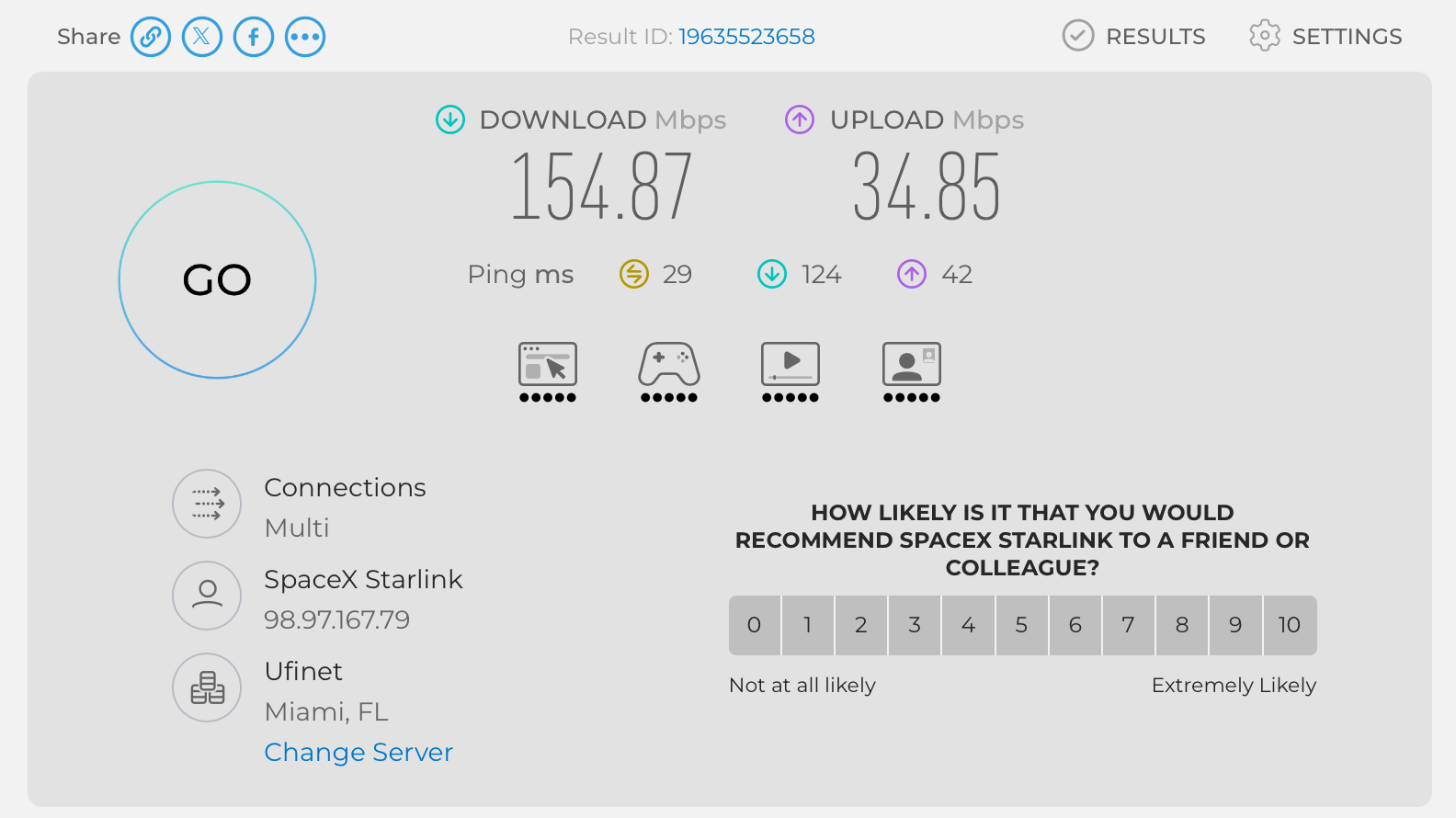
After more than four years, it has absolutely been worth it for us.
That’s not the same as saying Starlink is the best internet provider for everyone.
If you have inexpensive and reliable fiber running directly to your house, I’d certainly compare it before choosing satellite internet.
But that’s not the reality for many rural households.
We needed internet that could support a modern family and allow me to work from home. We wanted to stream TV, listen to music, play video games, connect our devices and even keep Wi-Fi cameras running around the farm.
Starlink has allowed us to do those things.
We’ve dealt with occasional interruptions during severe weather, but we’ve also kept our internet running from a generator after hurricanes.
And now that another internet option has finally reached our road?
We’re still Starlink customers.
After four-plus years, I think that probably sums up our experience better than anything else.
Want to See if Starlink Is Available Where You Live?
If you’re dealing with slow or unreliable rural internet, it’s worth checking what Starlink currently offers at your address.
Starlink plans, prices, equipment offers and referral promotions can change, so rather than listing prices here that could quickly become outdated, you can see the current options directly from Starlink.
CHECK STARLINK AVAILABILITY AT YOUR ADDRESS
Use our Starlink referral link when checking availability and signing up. Eligible new customers may receive a referral benefit, and we may receive a referral reward. Current offers and eligibility are determined by Starlink.